The Best UI Is No UI
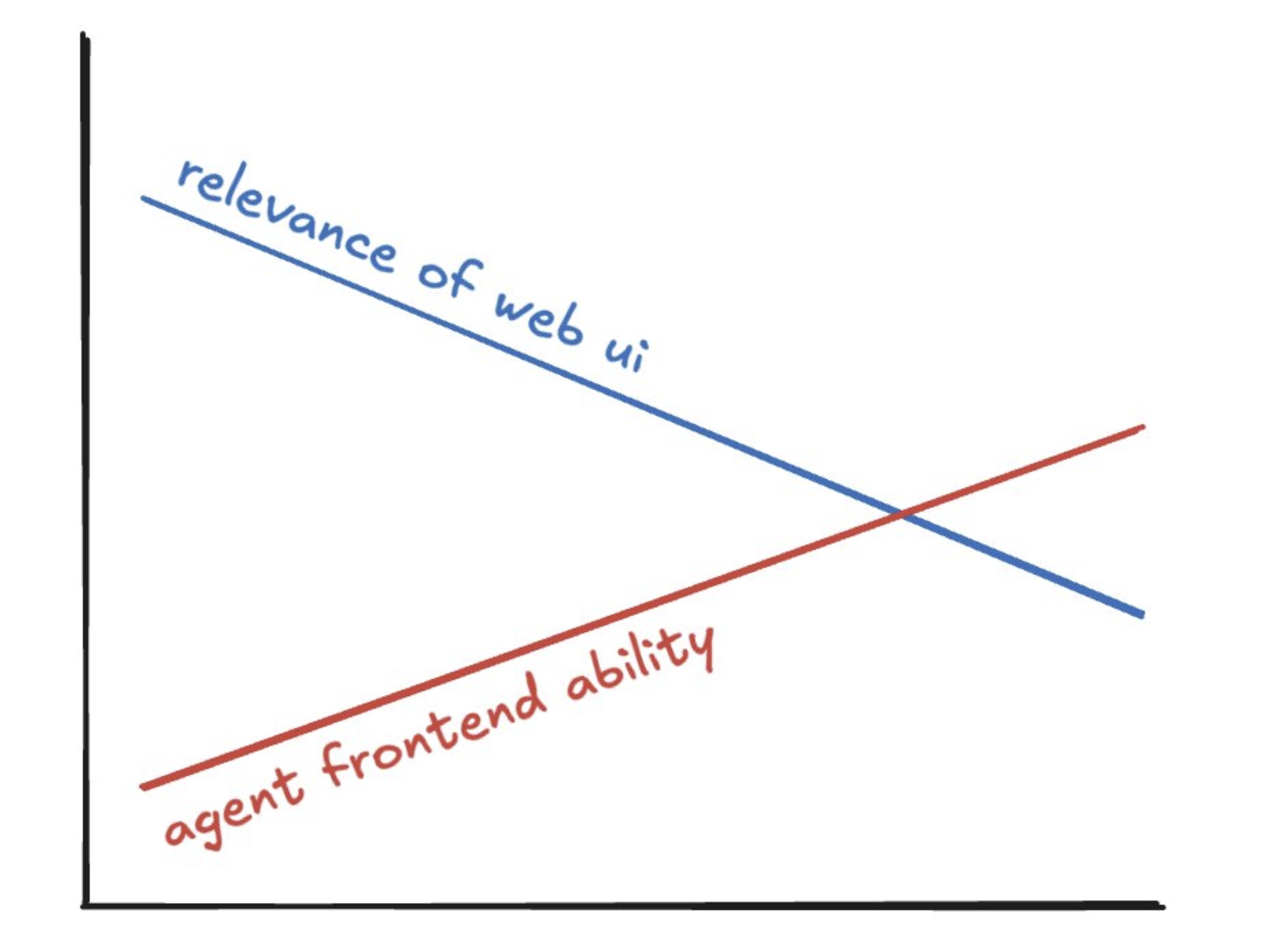
The next generation of apps won't have dashboards. No login screens. No sidebar navigation. The next UI is a chat window—and for a growing number of businesses, that window is WhatsApp.
Dashboards Were a Compromise

We built dashboards because we needed somewhere to put all the data and controls. But most users just need to check a status, make a payment, or submit a document. A dashboard solves the developer's problem of organizing features. It was never a solution to the user's problem of getting things done. Chat removes the hallway entirely.
The Full-Stack Meta Platform
You don't even need a website. Instagram is your landing page. Reels are your content marketing. Followers are social proof. DMs are lead generation. WhatsApp is where deals close and payments get processed.
Here's how this works with home insurance.
Example: Home Insurance
Getting a quote today means visiting a comparison site, filling out a 30-field form, creating an account, and waiting for emails. Then you pick a policy through another form, upload documents through a portal, and track claims through yet another dashboard. All that UI for what is fundamentally a conversation: what do you need covered, here's the price, do you want it.
Imagine a broker called "CoverChat" that handles this entirely through WhatsApp.
Instagram as the Storefront
CoverChat's Instagram bio reads: "Home insurance in 10 minutes. Tap to get a quote on WhatsApp." Reels explain what contents insurance covers, common underinsuring mistakes, how to save on premiums. Each ends with: "Message us for a quote."
The content does the job a website would—but it lives where the audience already is, it's algorithmically distributed, and every view is a potential lead. 15,000 followers and hundreds of comments from happy policyholders is more convincing than any testimonials page.
WhatsApp as the Application
A customer taps the link and lands in a conversation:
"Welcome to CoverChat! What do you need covered? (1) Buildings only (2) Contents only (3) Buildings + Contents (4) Help me decide"
The bot asks for property address, type, bedrooms, rebuild cost, previous claims. Each question is one message. Each answer is one reply. No forms, no dropdowns. When documents are needed, the customer snaps a photo and sends it.
No Dashboards, No Logins
Traditionally, CoverChat would build a portal with account creation, email verification, passwords, a policy dashboard. Instead, the customer asks: "When does my policy renew?" The system looks up their phone number and replies: "March 15th. Current premium is £42/month. Want me to find a better rate?"
No password resets. No "session expired." The customer's identity is their phone number. The chat is the dashboard.
Payments in the Chat
The system sends a Stripe link in the conversation. The customer taps, pays, and confirmation lands in the same thread. A human steps in only when judgment is needed—unusual property, complex claim. Everything else is automated.
Why This Works
The customer uses an app they already check dozens of times a day. Zero friction—no sign-up, no download. The conversation is naturally asynchronous: respond when free, pick up where you left off.
For the business, the entire funnel lives on platforms they don't maintain. No hosting. No app store approvals. CoverChat just focuses on getting people insured.
The Bigger Picture
Home insurance is one example. This works for any service business: collect information, process it, deliver a result. Mortgage brokerage. Tax filing. Property management. Any business where customers suffer through a portal they use once and never return to.
The companies that figure this out first will have lower acquisition costs, higher conversion rates, and happier customers. The next UI isn't a dashboard. It's a conversation.